
The report from a used car inspection is your strongest negotiating tool. Here is how to use it the right way to agree a fair price for the car.
Most buyers negotiate on gut feeling: “it seems expensive”, “I saw a cheaper one online”. The seller knows it and answers the same way: “it’s like new”, “I’m in no hurry to sell”. The conversation turns into haggling, won by whoever holds out longest. There is a better way: negotiate with facts nobody can dispute.
Why evidence changes the conversation
When you say “I want 800 euros off”, the seller hears a demand. When you say “the front discs and pads are at the limit, the tyres are seven years old and the gearbox oil has never been changed, and that costs about this much”, they hear a fact. The conversation moves from “who is right” to “what it costs to put right”.
A written inspection report from an independent mechanic carries even more weight, because it doesn’t come from you. The seller can’t say you are “inventing faults to knock the price down”.
Step 1: Do your market research before the meeting
Before you see the car, collect ads for the same model with a similar year, engine, gearbox, equipment and mileage. Note the price range, not just the cheapest ad, because a very cheap ad may be cheap for a reason. The asking price isn’t the selling price, but it gives you a realistic frame.
Step 2: Sort the findings into categories
Not all findings carry the same weight in a negotiation. Split them into three groups:
- Immediate costs: work needed now or soon, such as brakes, tyres, battery, shock absorbers, an overdue service or a timing belt past its interval.
- Risks: findings that don’t need a repair today but raise the chance of an expensive fault, such as fault codes, minor leaks, or noises from the gearbox or suspension.
- Value: findings that lower the car’s value even if no repair is needed, such as a repaired impact, repainted panels or an incomplete service history.
Immediate costs translate easily into euros and are your strongest card. Risks and lower value support an extra margin.
Step 3: Cost it realistically
Ask a workshop for a rough quote for the immediate work, or work out the cost of parts and labour. Don’t inflate the figures; if the seller realises you are exaggerating, you lose the credibility the report gave you. An honest bill is more persuasive than a big one.
Step 4: Present the findings calmly
How you speak matters as much as the evidence. A few practices that help:
- Start with the positives. If the car has a good history or clean bodywork, say so. It shows you are being fair.
- Present the findings one at a time, with the photo or the measurement from the report.
- State the cost of each job and the total.
- Make a specific price offer and explain how you arrived at it.
- Let the seller think. Silence is not weakness.
Avoid accusations. A private seller may not have known the car had been in an accident before they bought it. “You may not have known, but” opens more doors than “you hid this from me”.
Step 5: Know when to walk away
The strongest position in any negotiation is being able to say “no”. Decide in advance the most you are willing to pay, based on your market research and the findings. If the seller doesn’t come close, thank them and leave the door open. Often the phone rings a few days later.
Some findings call not for a lower price but for walking away: serious corrosion on the chassis, signs of flooding, a tampered odometer or a mismatched chassis number. There, no discount makes up for the risk.
Other ways to reach a deal
A discount isn’t the only solution. You can ask the seller:
- to do the work themselves before the transfer, at a workshop you both agree on,
- to replace the tyres or the battery,
- to include a set of winter tyres or accessories they already have,
- to cover the transfer costs.
If work is agreed, ask for the invoices and check it has been done before you pay the balance.
An example
Say the car is for sale at 9,500 euros and your market research shows similar cars going for 9,000 to 10,000. The inspection finds the front brakes at the limit, seven-year-old tyres, an overdue service and a repainted front bumper. Brakes, tyres and service come to about 750 euros. The repaint is cosmetic and doesn’t affect the structure.
A reasonable offer would be around 8,700 euros, explaining that after the necessary work the car will have cost you about the same as an equivalent one in good condition. The seller may counter; but the conversation is now about specific amounts, not impressions. The figures in this example are indicative; the real cost depends on the model and the workshop.
The most common mistakes
Even with the right evidence, a negotiation can go wrong. These are the mistakes we see most often:
- Showing enthusiasm from the start. If the seller senses you have already decided, they have no reason to give ground. Save the enthusiasm for after you sign.
- Opening with an absurdly low offer. An offer that feels insulting ends the conversation before it starts. Your offer should rest on numbers you can explain.
- Negotiating before you have the findings. If you agree a price and then do the inspection, every new demand looks like backtracking.
- Raising every small detail. A scratch on the bumper of a ten-year-old car is not an argument. Focus on findings with a real cost.
- Rushing. Time pressure always works for the other side. If you need a day to think, ask for it.
What they all have in common is that they turn a conversation about facts into a clash of positions. As long as you stick to the evidence, the conversation stays calm.
Negotiating with a dealer
With a professional seller the process is a little different. A dealer usually has less room on price but more flexibility on work, warranty or extras. Ask exactly what the warranty they offer covers and for how long, and ask for the work the inspection found to be done before handover.
When to have the used car inspection
The best time is once you have settled on the car, but before you pay a deposit. If you have already paid a deposit, agree in writing that the purchase is “subject to a satisfactory inspection”, so you can withdraw or renegotiate if serious problems are found.
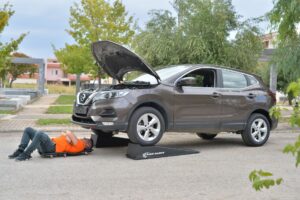
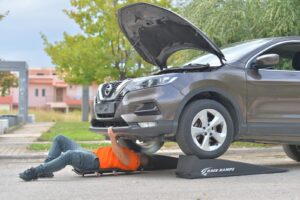
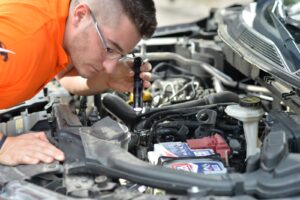
The CarCheck Full Inspection includes a lift inspection, a diagnostic check of the control units, a test drive, an oil analysis and a written report: everything you need for a well-founded offer. See what the used car inspection covers or book an inspection.
Close the deal properly
Once you agree a price, put it in writing together with anything else agreed: work, extras, the transfer date and the payment method. A simple page signed by both of you avoids misunderstandings. For the documents to check before you sign, see our article on the documents to ask the seller for.
Conclusion
Negotiating with evidence is fairer for both sides. You pay what the car is really worth, and the seller hears arguments instead of haggling. To know what to look for, see our guide to 10 things to check before buying a used car and our article on the paint thickness gauge.
Frequently asked questions
How much can I knock off the price based on the findings?
There is no fixed percentage. Subtract the realistic cost of the repairs needed, backed by quotes, not an arbitrary amount. That way your offer stands up.
What if the seller won’t accept any discount?
If the findings are serious and the seller won’t take them into account, it is often better to walk away. Another option is for the seller to do the repair before the transfer.
When should I have the used car inspection to negotiate?
Before you pay a deposit and before you agree a final price. CarCheck carries out the inspection on site, anywhere in Attica, and gives you a written report to take into the conversation with the seller. Book online.